Types of Paper Labels: A Complete Guide to Materials and Uses
2026-02-26

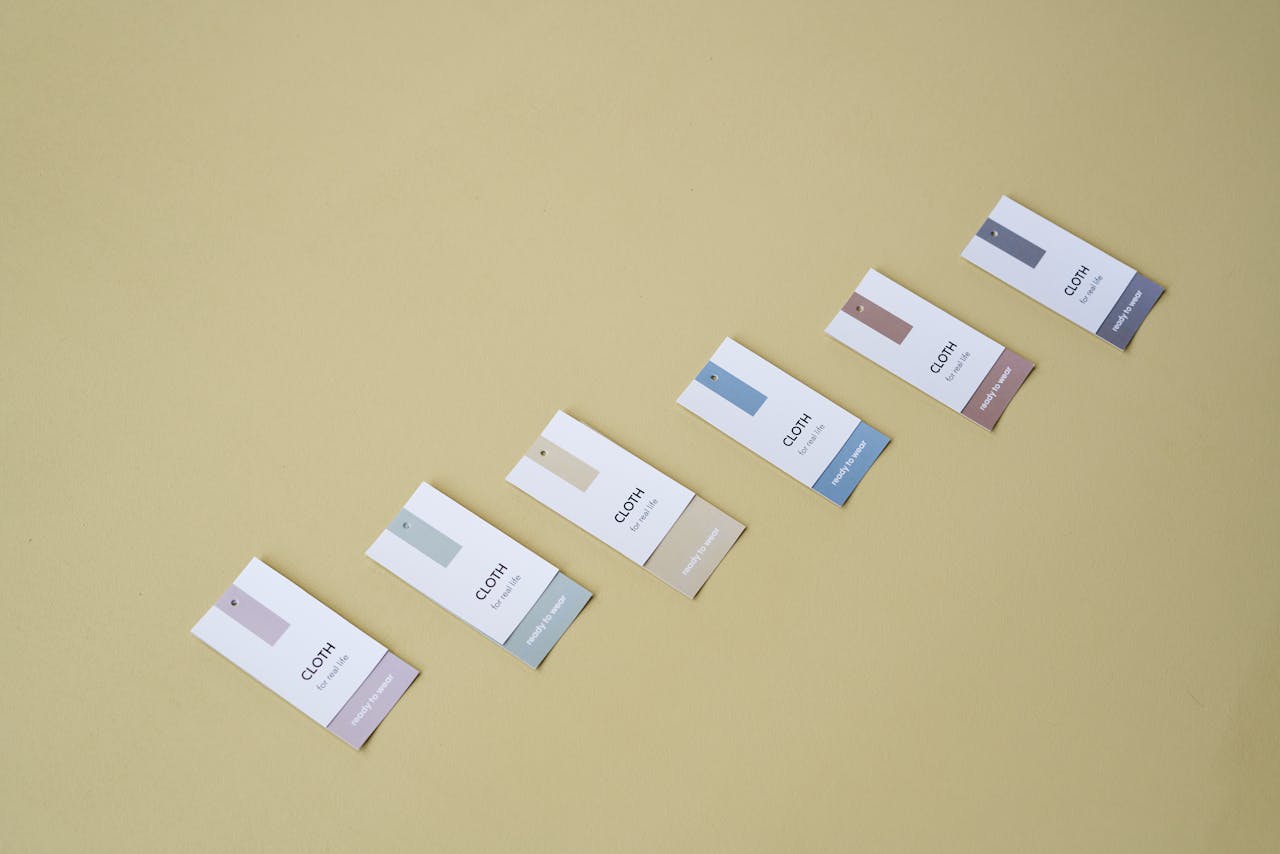
Choosing the right label can make or break your project. With so many options, understanding the different types of paper labels is the first step to ensuring your labels look great, stick securely, and last. This guide breaks down everything from material and adhesive to finish, helping you make an informed choice.
What Are Paper Labels and Why Does the Type Matter?
Paper labels are versatile substrates with an adhesive backing, used for everything from product identification to shipping. The specific type you choose directly impacts durability, print quality, and application success. A mismatched label can smudge, peel, or fail to adhere, undermining your brand's professionalism.
The Role of Paper Labels in Branding and Organization
These labels are the silent ambassadors of your brand on product packaging. They're also essential tools for logistics, like shipping labels and barcodes, and for everyday organization in offices, kitchens, and warehouses.
Key Factors to Consider When Choosing a Paper Label
Your decision hinges on three pillars: the base material (paper stock), the adhesive formulation, and the protective finish. Each element serves a distinct purpose and must align with your project's environment and demands.
Core Material Types: Understanding Your Paper Label Base
The paper stock is the foundation. Its properties determine how ink is absorbed, how the label feels, and its suitability for different environments.
Uncoated Paper Labels
Uncoated paper has a matte, porous surface. It absorbs ink readily, making it excellent for writability with pens or pencils. It's a cost-effective choice for laser or inkjet printing on things like kraft-style product labels, address labels, or internal bin tags.
Coated Paper Labels (Semi-Gloss & Gloss)
Coated papers have a smooth, non-porous layer applied. This creates a superior surface for vibrant, high-resolution printing with sharp color definition and resistance to smudging. Gloss offers a shiny, reflective finish, while semi-gloss provides a softer sheen. Both are common for retail product labels where visual appeal is critical.
Thermal Paper Labels
This is a specialty paper designed for direct thermal printers, which use heat instead of ink or toner to create an image. You'll find thermal paper labels widely used for shipping labels, retail receipts, and barcodes due to their speed and low maintenance. Note that they can fade if exposed to heat, sunlight, or chemicals over time.
Adhesive Types: Ensuring Your Labels Stay Put
The adhesive is what turns a piece of paper into a functional label. The formulation dictates the bond strength and suitability for different surfaces.
Permanent Adhesive
As the name implies, this adhesive forms a strong, long-lasting bond. It's designed for surfaces where label removal is not intended, such as product packaging, asset tags, or warranty seals. Attempting to remove it often results in tearing the paper or leaving residue.
Removable/Repositionable Adhesive
This adhesive offers a temporary bond, allowing for clean removal without damage or residue. It's ideal for seasonal promotions, price tags, rental items, or any situation where you need to relocate a label. The hold is secure but not destructive.
Specialty Adhesives (Freezer, High-Tack, etc.)
For challenging applications, specialty adhesives are engineered to perform. Freezer-grade adhesives bond at low temperatures to plastic and glass packaging. High-tack adhesives are formulated for difficult surfaces like textured plastic, corrugated cardboard, or slightly dusty surfaces.
Finish and Coating Options for Durability & Style
A finish or coating is applied over the printed label to protect the ink and enhance the label's appearance and durability.
Lamination (Gloss & Matte)
Lamination involves sealing the label with a thin plastic film (polyester or polypropylene). This provides the highest level of protection against water, oils, chemicals, abrasion, and UV fading. Gloss lamination adds shine and vibrancy, while matte lamination offers a sophisticated, non-reflective finish.
Varnish (Aqueous Coating)
Varnish is a liquid coating applied during printing that offers basic protection against scuffing, fingerprints, and light moisture. It's more economical than lamination and adds a slight sheen (gloss or satin). It's a good choice for labels that will face mild indoor handling.
How to Choose the Right Type of Paper Label for Your Project
Now, let's synthesize this information into a practical selection process. Ask yourself these key questions.
Matching Label to Surface: Paper, Plastic, Glass, and More
Paper & Cardboard: Most standard permanent adhesives work well.
Plastic (HDPE, PET): Use a permanent adhesive designed for low-surface-energy plastics. A high-tack adhesive may be necessary.
Glass & Metal: Permanent adhesives bond well. For bottles subject to condensation or chilling, consider a waterproof material and adhesive.
Frozen Packaging: Always specify a freezer-grade adhesive.
Considering the Environment: Indoor vs. Outdoor Use
For indoor use, standard coated or uncoated papers with a varnish are often sufficient. For outdoor use or labels exposed to moisture, grease, or frequent handling, you need a durable combination: a coated or synthetic material, a permanent adhesive, and a protective laminate.
Printing Method Compatibility: Inkjet, Laser, and Thermal
This is non-negotiable. Always use labels engineered for your printer. Inkjet labels are designed to absorb liquid ink. Laser labels are made to withstand the heat and toner of a laser printer. Using the wrong type can cause jams, smudging, and damage to your printer.
Final Recommendations and Best Practices
Navigating the various types of paper labels is simpler when you break it down by material, adhesive, and finish. Always request physical samples to test on your actual surface and with your specific printer. The small upfront investment in testing prevents costly misprints and application failures. By aligning your label's properties with the project's functional and aesthetic demands, you ensure a professional, lasting result.
FAQ: Common Questions About Paper Label Types
What is the most durable type of paper label for outdoor use?
For true outdoor durability, choose a coated paper or synthetic material with a permanent adhesive and a protective gloss or matte laminate. This combination resists water, UV fading, and abrasion.
Can I use inkjet labels in a laser printer, or vice versa?
No. Inkjet labels in a laser printer can melt and damage the printer. Laser labels in an inkjet printer will cause the ink to smear. Always use labels specified for your printer type.
What type of paper label is best for bottles or curved surfaces?
For curved surfaces like bottles, a thinner, more flexible paper (often coated) works best. Pair it with a strong permanent adhesive designed for the bottle material (glass or plastic) to ensure it conforms and stays adhered.
What's the difference between semi-gloss and high-gloss paper labels?
The difference is in the level of shine and reflectivity. High-gloss has a mirror-like, vibrant finish. Semi-gloss (or satin) has a softer, more subdued sheen, which can reduce glare and offer a premium, understated look.
Are there eco-friendly or recyclable paper label options?
Yes. Look for labels made from recycled content or FSC-certified paper. Uncoated papers are generally easier to recycle. Some adhesives are also designed to be compatible with recycling streams—ask your supplier for "recyclable adhesive" options.