Paper Labels: A Complete Guide to Materials, Uses, and Selection
2026-02-26

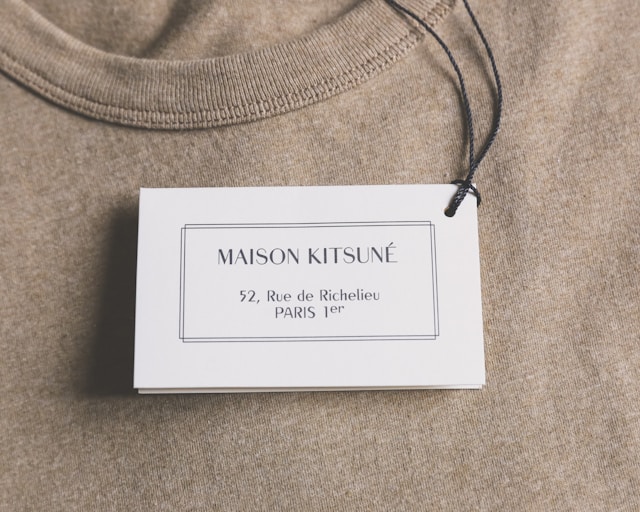
You see and use them every day, often without a second thought. Paper labels are the unsung heroes of organization, branding, and logistics. But what exactly are they, and how do you choose the right one from the sea of options? This guide breaks down everything from basic composition to advanced selection criteria for paper labels.
Defining Paper Labels: More Than Just Sticky Paper
At its core, a paper label is a flexible identification system. It combines a paper face stock with an adhesive backing, protected by a liner until use. This simple combination creates a tool for communication, instruction, branding, and tracking across countless scenarios.
The Basic Anatomy of a Paper Label
Every paper label is a three-layer construction. The face material is the printable paper surface you see. Beneath it lies the adhesive, which bonds the label to a surface. This adhesive is carried on a silicone-coated liner or backing paper, which is peeled away during application.
Paper Labels vs. Synthetic Labels: Key Differences
The critical distinction lies in the face material. While paper labels use a cellulose-based stock, synthetic labels use materials like vinyl, polyester, or polypropylene. Paper is generally more cost-effective, printable, and eco-friendly but is less durable against moisture, chemicals, and abrasion than its synthetic counterparts.
Exploring Common Paper Label Materials and Their Properties
The choice of paper label material directly impacts aesthetics, durability, and function. Here’s a breakdown of the most common types.
Uncoated Paper: The Standard for Everyday Use
This porous, matte-finish paper is economical and absorbs ink readily. It’s perfect for general-purpose tasks like shipping labels, bulk product coding, file folder labels, and any application where premium aesthetics are not the primary concern.
Semi-Gloss & Gloss Paper: For a Premium, Vibrant Look
A thin clay coating gives these papers a smooth, shiny surface. This coating prevents ink absorption, resulting in sharper detail, richer colors, and enhanced vibrancy. It’s the go-to choice for product packaging, retail shelf labels, and promotional stickers where visual appeal drives engagement.
Matte Coated Paper: Elegant and Readable
Matte paper offers a premium, non-reflective finish. It provides the excellent print quality of a coated stock without the shine, reducing glare and offering a sophisticated, tactile feel. Common uses include wine and spirit bottles, cosmetic packaging, and high-end consumer goods.
Specialty Papers: Kraft, Fluorescent, and Security
Beyond standard whites, paper label materials include niche options. Brown kraft paper delivers a rustic, recycled look. Fluorescent papers (neon colors) maximize visibility for safety or sale tags. Security papers may include tamper-evident features or destructible vinyl constructions for anti-counterfeiting.
Primary Adhesive Types for Paper Labels
The adhesive is what makes a label functional. Selecting the wrong one can lead to failure, no matter how good the paper is.
Permanent Adhesive: Forms a strong, long-term bond. Designed not to be removed without tearing or leaving residue. Ideal for product branding, asset tags, and warning labels.
Removable Adhesive: Offers a temporary bond that allows clean removal within a specified period. Used for seasonal pricing, rental items, event badges, and repositionable notes.
Freezer-Grade Adhesive: Formulated to withstand extreme cold, moisture, and condensation without lifting or losing adhesion. Essential for labeling frozen food packages and items stored in cold chain logistics.
Key Advantages and Limitations of Using Paper Labels
Understanding the pros and cons ensures realistic expectations and successful implementation.
Advantages:
Cost-Effective: Typically the most affordable label material.
Excellent Printability: Works beautifully with all standard printing methods (laser, inkjet, thermal).
Sustainable: Many papers are recyclable and biodegradable, appealing to eco-conscious brands.
Versatile: Available in a vast array of finishes, colors, and weights.
Limitations:
Moisture Sensitivity: Can warp, curl, or have ink run when exposed to water or high humidity.
Durability: More prone to tearing, scuffing, and fading than synthetic materials.
Chemical Resistance: Generally not suitable for use with oils, solvents, or harsh cleaners.
Top Applications and Use Cases for Paper Labels
The versatility of paper labels makes them indispensable across sectors.
Product Packaging & Retail: Ingredient lists, barcodes, price tags, and brand storytelling on boxes, jars, and bottles.
Shipping & Logistics: Address labels, shipping manifests, tracking barcodes, and packing slips.
Organization & Identification: File folder labels, bin labels in warehouses, asset tags, and cable labels in offices and homes.
Events & Promotions: Name badges, event schedules, promotional stickers, and "Sale" signs.
How to Choose the Right Paper Label for Your Project
Follow this three-step framework to narrow your options effectively.
Assess Your Environmental Conditions
Will the label be indoors or outdoors? Exposed to moisture, oils, or temperature extremes? For dry, indoor, and short-term use, standard paper works. For moisture, cold, or outdoor exposure, consider coated papers with specialized adhesives or explore synthetic alternatives.
Define Your Aesthetic and Functional Needs
Is a high-gloss, vibrant look required, or is a utilitarian matte finish sufficient? Do you need the label to be tamper-evident or removable? Your answers will guide you toward the right paper label material and adhesive combination.
Consider Your Printing Method
Match the label to your printer. Use laser-specific labels for laser printers to avoid toner adhesion issues. Use inkjet-compatible labels (often with a quick-dry coating) for inkjet printers to prevent smudging. For commercial printing, consult with your printer on their recommended stock.
Final Thoughts on Selecting and Using Paper Labels
The perfect paper label isn't a one-size-fits-all product; it's a tailored solution. It balances the right face material for your environment and brand image with the correct adhesive for your surface and lifespan requirements. By understanding the components and asking the right questions upfront, you can leverage the simplicity and effectiveness of paper labels to achieve your communication, organizational, or branding goals reliably. Whether for a global shipping operation or a weekend pantry organization project, informed selection is the key to success with paper labels.
FAQs About Paper Labels
Are paper labels waterproof?
Standard paper labels are not waterproof. They can be damaged by moisture. For water resistance, look for coated paper stocks (like gloss) or specifically treated waterproof papers, though for prolonged wet conditions, a synthetic material is often better.
Can I print on paper labels with an inkjet or laser printer?
Yes, but you must use the correct type. Laser printers require labels designed for high heat to properly fuse toner. Inkjet printers need porous or specially coated labels to absorb liquid ink without smearing. Always check the packaging.
What is the difference between paper and vinyl label material?
Paper is a porous, biodegradable material ideal for indoor, dry, and cost-sensitive applications. Vinyl is a durable, waterproof synthetic plastic film suited for outdoor use, products exposed to moisture, or items requiring extra durability.
Are paper labels recyclable?
Often, yes. The paper face stock is typically recyclable. However, the adhesive and any silicone liner are not. For curbside recycling, it's best to check with your local facility, as small amounts of adhesive are usually acceptable, but the liner should be discarded.
How do I remove a paper label without leaving residue or damaging the surface?
For labels with removable adhesive, they should peel off cleanly. For permanent adhesive, gentle heat from a hairdryer can soften the glue. You can also use a citrus-based or specialty adhesive remover, testing it on a small area first to ensure surface compatibility.