Paper Labels for Packaging: A Complete Guide to Materials, Uses & Best Practices
2026-03-03

Paper Labels for Packaging: A Complete Guide to Materials, Uses & Best Practices
In a world increasingly focused on sustainability and brand authenticity, the choice of a packaging label speaks volumes. Paper labels for packaging are at the forefront of this shift, offering a blend of environmental responsibility and aesthetic appeal. This guide explores everything you need to know about selecting and using paper labels effectively.
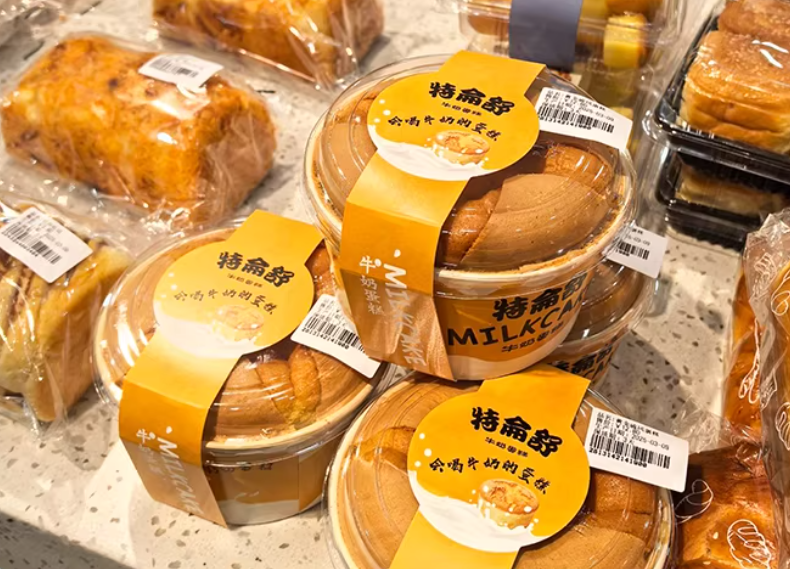
What Are Paper Labels for Packaging? Defining the Basics
Paper labels for packaging are pressure-sensitive labels where the primary facestock material is paper. They are applied to containers, boxes, bottles, and other packages to convey branding, information, and compliance details. Unlike their synthetic counterparts, they offer a distinct, natural feel that resonates with modern consumers.
The Core Components of a Paper Label
Every paper label is a three-part system. The facestock is the printable paper layer you see and touch. The adhesive on the back bonds the label to the package, with formulations varying for permanence or removability. Finally, a topcoat or finish (like a varnish or laminate) can be applied to protect the print and enhance durability.
Paper Labels vs. Synthetic Labels: Key Differences
The fundamental difference lies in the material. Synthetic labels, made from plastics like polypropylene (PP) or vinyl, excel in wet, oily, or abrasive environments. Paper labels, while generally less resistant to extreme moisture, offer superior sustainability credentials, a premium tactile experience, and often better compatibility with certain printing techniques and recyclable packaging streams.
The Advantages of Choosing Paper Labels for Your Packaging
Selecting packaging paper labels is a strategic decision that delivers tangible benefits for your brand, your customers, and the planet.
Sustainability and Environmental Benefits
This is the most compelling advantage. Many paper labels are recyclable, compostable, and biodegradable, especially when paired with compatible adhesives. They often contain post-consumer recycled content and support a circular economy by simplifying the recycling process for the overall package.
Aesthetic Appeal and Brand Perception
Paper conveys authenticity, craftsmanship, and natural quality. The texture and feel of an uncoated kraft label or the sharp print on a coated matte stock can elevate a product’s perceived value, helping brands connect with consumers seeking genuine, eco-conscious options.
Versatility and Printability
Paper is an excellent print medium. It performs brilliantly with digital, flexographic, and offset printing, allowing for vibrant colors, crisp text, and fine details. It also readily accepts a variety of finishes, from spot UV to embossing, enabling significant creative freedom.
Common Types of Paper Used in Packaging Labels
Not all paper is created equal. The choice of facestock directly impacts the label's look, feel, and function.
Uncoated Paper (Kraft, Recycled, Bond)
Uncoated papers have a natural, porous surface. Kraft paper offers a rustic, industrial look. Recycled content papers showcase environmental commitment. Bond paper provides a classic, professional feel. They are ideal for brands wanting an organic, tactile presence, though inks may appear slightly muted.
Coated Paper (Gloss, Matte, Satin)
These papers have a clay-based coating that creates a smooth, non-porous surface. Gloss delivers high shine and vibrant color pop. Matte provides a sophisticated, non-reflective finish. Satin offers a soft sheen as a middle ground. Coated papers are the go-to for high-impact, photographic-quality graphics.
Specialty Papers (Metallic, Textured, Linerless)
For standout shelf presence, specialty papers are key. Metallic papers offer a lustrous foil-like effect. Textured papers (linen, felt) add a unique tactile dimension. Linerless paper labels eliminate the silicone backing paper, reducing waste by up to 50% and streamlining application.
Key Applications of Packaging Paper Labels Across Industries
The versatility of paper labels makes them suitable for a vast array of products and sectors.
Food & Beverage Packaging
From craft beer bottles and wine labels to jam jars and bakery boxes, paper labels are ubiquitous. They must often comply with food-contact regulations and be paired with the correct adhesive for environments involving condensation or refrigeration.
Health, Beauty & Personal Care Products
Skincare serums, organic supplements, and artisanal soaps frequently use paper labels to communicate purity and natural ingredients. A textured, uncoated label can perfectly complement a brand story rooted in wellness and simplicity.
Retail & E-commerce Product Packaging
Shipping boxes, product packaging, and branded mailers all utilize paper labels for branding, shipping information, and barcodes. Durability and scuff resistance are key considerations here, often addressed with protective topcoats.
Critical Factors for Selecting the Right Paper Label
Choosing the perfect paper label requires a practical assessment of your product's journey from production to end-user.
Understanding Your Product's Environment
Will the label face constant refrigeration, occasional condensation, or dry room-temperature storage? Consider exposure to moisture, oils, friction, and UV light. A label for a frozen pea bag has very different requirements than one for a coffee bag.
Adhesive Selection: Permanent, Removable, or Freezer-Grade
The adhesive is as important as the paper. Permanent adhesives are standard for most retail products. Removable adhesives allow for clean removal, ideal for temporary promotions. Freezer-grade adhesives are formulated to adhere in cold, icy conditions without lifting.
Design, Printing, and Finishing Considerations
Your design dictates the best paper. Solid ink coverage may require a coated stock. A vintage design might call for uncoated kraft. Discuss your design early with your label converter to ensure the chosen material, print method, and protective finish align with your vision and durability needs.
Best Practices for Designing and Applying Paper Packaging Labels
A great label can be undermined by poor design or application. Follow these tips for success.
Design Tips for Maximum Impact and Legibility
Ensure high contrast between text and background. Use font sizes that remain readable at a small scale. Always include a bleed area (typically 1/8") in your artwork to account for minor cutting shifts. For barcodes, ensure they are printed at high resolution on a smooth, light-colored area.
Surface Preparation and Application Guidelines
Adhesion starts with a clean surface. Ensure packaging is free of dust, oil, and moisture. The surface should be compatible with the adhesive—some plastics may require a specific adhesive formulation. Apply labels at room temperature and use firm, even pressure from the center outward to avoid air bubbles.
The Future of Paper Labels in Sustainable Packaging
The trajectory for paper labels is one of continued innovation. We are seeing advances in water-resistant paper coatings that maintain recyclability, the growth of linerless systems to minimize waste, and the development of papers with even higher recycled content. As brands and consumers alike push for reduced plastic use, the role of paper labels for packaging will only expand, solidifying their place as a key component in the circular economy of tomorrow.
FAQ: Common Questions About Paper Labels for Packaging
Are paper labels waterproof?
Standard paper labels are not waterproof. However, specific water-resistant coatings, laminates, or saturated paper stocks can be used to protect against moisture and mild splashing for short periods.
Can paper labels be used on frozen food packaging?
Yes, but it requires specific materials. A freezer-grade adhesive and a face stock designed for cold, humid environments (like a coated paper) are essential to prevent the label from curling, discoloring, or falling off.
What is the difference between coated and uncoated paper labels?
Coated paper has a smooth layer that makes colors vibrant and sharp, ideal for high-detail graphics. Uncoated paper has a natural, porous texture that absorbs more ink, giving a softer, more tactile feel often associated with artisanal or eco-friendly brands.
How do I choose the right adhesive for my paper packaging label?
Match the adhesive to your package's surface material (glass, plastic, cardboard) and the conditions it will face (cold, room temp, moisture). Your label supplier can recommend a permanent, removable, or specialty adhesive based on your specific application.
Are paper labels more expensive than plastic labels?
It depends on the specific materials and finishes. Basic paper labels can be very cost-competitive. While some premium paper stocks or complex constructions may cost more than basic plastic films, the brand value and sustainability benefits often justify the investment for many companies.