Paper Labels in Retail: A Complete Guide to Types, Uses, and Best Practices
2026-03-03

Paper Labels in Retail: A Complete Guide to Types, Uses, and Best Practices
In the bustling world of retail, clear communication is currency. Paper labels in retail are the silent salespeople, information hubs, and brand ambassadors that guide every customer interaction. From the moment a shopper scans a shelf, these unassuming tags perform critical functions. This guide explores everything you need to know about retail paper labels, ensuring your store communicates clearly, efficiently, and professionally.
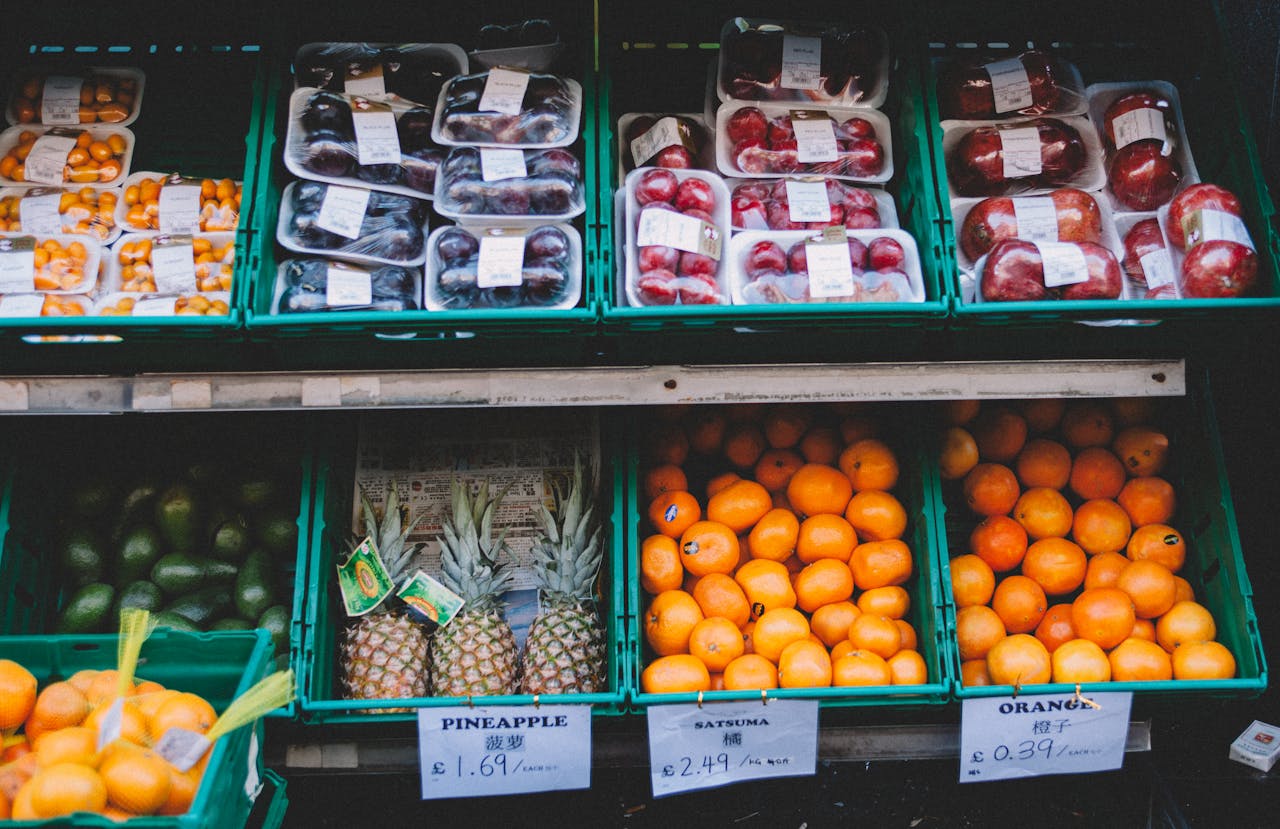
What Are Paper Labels in Retail? Defining the Basics
Retail paper labels are adhesive tags or stickers made from paper stock, used to display information directly on products or store fixtures. They are a fundamental tool for organizing inventory, conveying pricing, and sharing essential product details with customers. Their scope covers everything from a simple price sticker on a jar to a detailed shelf tag with barcodes and promotional copy.
The Core Functions of Retail Labels
Every paper label has a job. Primarily, they serve four key functions: identification, pricing, information, and promotion. They answer the customer's basic questions: What is this? How much does it cost? What do I need to know about it? Is it on sale? This simple framework is the backbone of in-store navigation and decision-making.
Paper vs. Synthetic Labels: A Quick Distinction
While vinyl or plastic labels offer extreme durability for outdoor or wet environments, paper labels are the go-to for most indoor retail applications. The distinction is crucial: paper labels are generally more cost-effective, easier to print in-house, and align with sustainability goals. They are designed for environments where extreme conditions aren't a daily concern.
The Essential Types of Paper Labels for Retailers
The right label for the right job streamlines operations. Here’s a catalog of the most common paper label varieties you’ll use in a store.
Price Labels and Shelf Tags
This category is the workhorse of retail paper labels. It includes standard adhesive price stickers applied directly to products and larger shelf edge labels (ESLs) that slide into channels on store shelves. Promotional price tags, often in bright colors or unique shapes, also fall here, designed to catch the eye during sales events.
Product Information & Compliance Labels
These labels go beyond price. They include barcode labels for inventory scanning, ingredient lists for food items, care instructions for apparel, and mandatory compliance information like country of origin, safety warnings, or nutritional facts. Accuracy here is non-negotiable for both customer trust and legal adherence.
Branding, Promotional, and Seasonal Labels
Paper labels are a flexible marketing tool. "New Arrival," "Staff Pick," or "On Sale" labels create visual cues. Branded labels with logos reinforce identity, while seasonal designs for holidays add thematic flair to displays. These labels enhance the shopping experience and can boost impulse purchases.
Key Benefits of Using Paper Labels in a Retail Setting
Why do paper labels remain a retail staple? Their advantages are rooted in practicality, economics, and evolving consumer expectations.
Cost-Effectiveness and Accessibility
Paper labels offer an exceptionally low cost per unit. Rolls of blank labels and standard label printers are affordable and widely available, making them accessible for businesses of all sizes, from pop-up shops to large chains. There's no need for a massive capital investment in labeling systems.
Flexibility and Ease of Use
Need to update a price or correct information? Paper labels are simple to apply and remove. This flexibility is vital for dynamic pricing, flash sales, or rotating promotions. Staff can be quickly trained to print and apply them, allowing for rapid response to market changes.
Sustainability and Consumer Perception
Many paper labels are recyclable or compostable, especially those with water-based adhesives. In an era where consumers are increasingly eco-conscious, using paper over plastic can positively influence brand perception. It’s a simple switch that demonstrates environmental responsibility.
Choosing the Right Paper Label: A Retailer's Checklist
Selecting labels isn't one-size-fits-all. Use this practical framework to match your labels to your specific store needs.
Adhesive Type: Permanent, Removable, or Repositionable?
The adhesive determines longevity and clean-up. Permanent adhesive is for items that won't be repriced, like packaged goods. Removable adhesive is ideal for short-term promotions or rental items. Repositionable adhesive allows for minor alignment adjustments during application, useful for delicate surfaces.
Paper Weight and Finish: Matte, Gloss, or Satin?
Paper weight (thickness) affects durability; a heavier stock resists curling and tearing. Finish impacts readability and feel. A matte finish reduces glare under bright lights, gloss provides vibrant color for promotions, and satin offers a balanced, professional look. Consider your store's lighting and aesthetic.
Size, Shape, and Custom Printing Considerations
Label size must fit the available space without obscuring product details. Standard rectangles are versatile, but die-cut shapes (circles, ovals) can make promotional labels stand out. For high-volume, consistent needs like branded shelf tags, investing in custom pre-printed labels ensures a polished, uniform appearance.
Common Challenges and Best Practices for Retail Paper Labels
Even the simplest tools have pitfalls. Addressing these common issues will keep your labeling professional and effective.
Avoiding Label Damage and Wear
In high-traffic or humid areas, labels can curl, tear, or smudge. To prevent this, choose a higher paper weight and a smudge-resistant finish. Ensure surfaces are clean, dry, and dust-free before application. For refrigerated sections, select labels specifically rated for cold temperatures.
Ensuring Consistency and Professional Presentation
Brand integrity suffers with sloppy labels. Use templates for printing to ensure consistent font, size, and alignment. Establish clear guidelines for label placement on shelves and products. A simple tool like a label applicator can help staff place tags straight and uniformly every time.
Streamlining Inventory and Label Management
Disorganized label stock leads to frantic searches and mismatched tags. Keep a dedicated inventory of blank label rolls, organized by size and type. Implement a clear process for updating prices—perhaps a designated weekly task. This prevents the frustration of running out of labels during a crucial price change.
The Future of Paper Labels in Modern Retail
The role of paper labels in retail is evolving, not disappearing. While technologies like digital shelf labels (ESLs) grow, the simplicity, cost, and sustainability of paper ensure its place. The future points toward smarter integration—using paper for flexibility and promotion, while digital systems handle real-time price updates. Furthermore, the push for circular economies will drive innovation in even more recyclable and compostable paper label materials. For the foreseeable future, paper labels remain an indispensable, adaptable tool in the retailer's toolkit.
FAQ: Paper Labels in Retail
What is the most common type of paper label used in retail stores?
The most common are price labels and shelf edge tags. They are used on virtually every product in a store to display pricing and basic SKU information for customers and inventory systems.
Are paper labels sustainable and recyclable?
Many are. Standard paper labels are often recyclable with paper waste. For full recyclability, look for labels with water-based adhesives and uncoated paper, as some glossy coatings can complicate the process. Always check with your local recycling guidelines.
How can I prevent paper price labels from falling off or curling?
Ensure the surface is clean and dry before application. Choose a label with the appropriate adhesive strength for the surface (e.g., plastic, glass, wood). Using a slightly heavier paper stock can also reduce curling in humid environments.
Can I print my own professional-quality retail paper labels?
Absolutely. With a dedicated label printer and design software, you can produce clean, consistent labels in-house. For a premium look with custom colors or logos, consider using a professional printing service for large batches.
What are the main disadvantages of using paper labels over synthetic ones?
Paper labels are generally less durable than synthetic (plastic or vinyl) labels. They can be susceptible to water, oils, and tearing, and may not adhere well to certain textured or curved surfaces. They are best for dry, indoor retail environments.